How Difficult Is Gorilla Trekking in Uganda?
If you are planning gorilla trekking in Uganda, one of the first questions you may ask is: How difficult is gorilla trekking in Uganda?
The answer depends on your fitness level, the location of your gorilla family, the weather, and the terrain on the day of your trek.
Uganda Wildlife Authority describes gorilla tracking as requiring moderate fitness, with a trek potentially lasting about 2 to 7 hours. The exact duration depends on where the gorilla family has moved.
For most travelers, gorilla trekking in Uganda is physically challenging but achievable with reasonable preparation.
You do not need to be a professional hiker. However, you should be prepared to walk through steep, muddy, uneven and sometimes slippery forest terrain.
This guide explains everything you need to know about the difficulty of gorilla trekking in Uganda, including the terrain, walking time, fitness requirements, weather, preparation and how World Blossom Safaris can help you plan your trek.
Is Gorilla Trekking in Uganda Difficult?
Yes, gorilla trekking in Uganda can be challenging, but the difficulty varies considerably from one trek to another.
Bwindi Impenetrable National Park has steep ridges, deep valleys and dense rainforest. The terrain can make some treks more demanding than others.
Some travelers may reach the gorillas after a relatively short walk. Others may spend several hours hiking through the forest before finding their assigned gorilla family.
The gorillas are wild animals. They move through their natural habitat rather than staying in one fixed location.
This is why your trekking time cannot be guaranteed in advance.
The good news is that you are not expected to complete the trek alone.
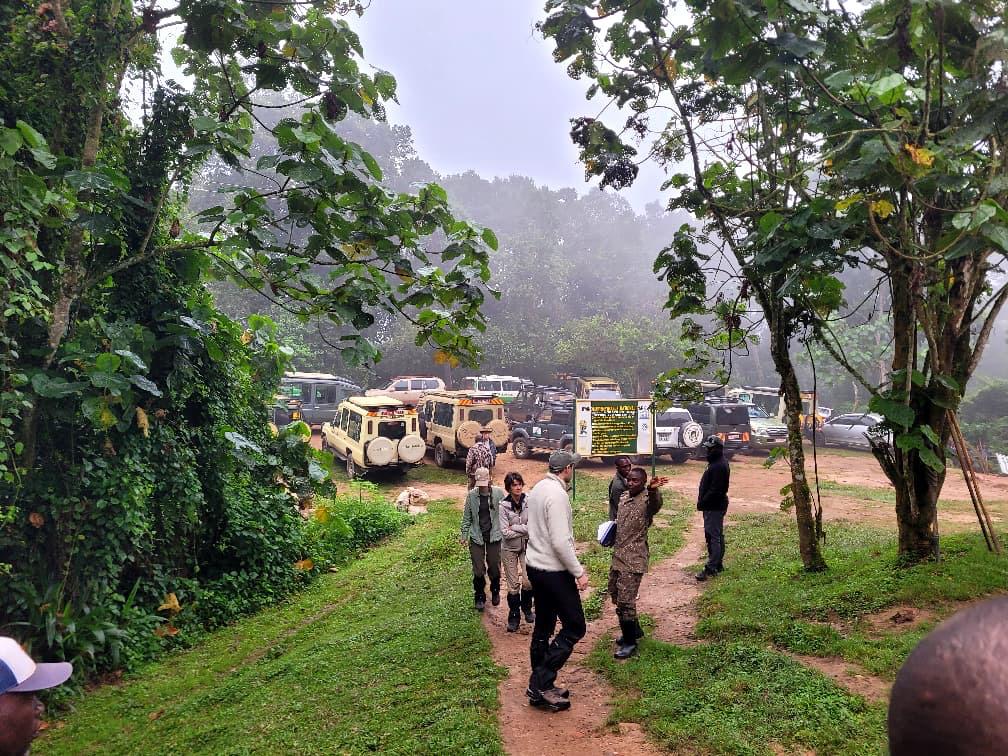
You trek with trained park staff and guides who help you navigate the forest and follow the gorilla family.
How Long Does Gorilla Trekking in Uganda Take?
One of the biggest factors affecting difficulty is the duration of the trek.
According to Uganda Wildlife Authority, gorilla tracking can take approximately 2 to 7 hours, depending on the movement and location of the gorilla family.
The actual walking time may therefore be very different from one day to another.
You might walk for a shorter period before reaching the gorillas.
Or you may need several hours of hiking through dense vegetation, slopes and valleys.
Once you find the gorillas, the official rules limit the viewing time to one hour per gorilla group per day.
That hour can feel very short after the effort of reaching the family.
Standing quietly in the forest while watching mountain gorillas feed, rest, play and interact is one of the most memorable parts of gorilla trekking in Uganda.
What Makes Gorilla Trekking in Uganda Difficult?
Several factors can make the trek physically demanding.
1. Steep Terrain
Bwindi is not a flat forest.
The park contains steep ridges and deep valleys, which means some trails involve climbing and descending.
You may walk uphill for a period and then descend into another section of the forest.
This can be tiring, particularly if you are not accustomed to hiking.
2. Mud and Slippery Trails
Rain can change the condition of the forest trails.
Even when the weather begins with sunshine, rain can make sections of the trail muddy and slippery.
Good hiking shoes with strong grip are therefore very important.
Walking poles can also provide additional balance, especially on steep sections.
3. Dense Vegetation
The name Bwindi means “impenetrable,” and the forest can be thick.
You may walk through vegetation, undergrowth and narrow forest trails.
Your guide helps you navigate these conditions while following the appropriate route toward the gorilla family.
4. Weather
Mountain forest weather can change quickly.
Rain is possible, and wet conditions can make the trek more difficult.
At the same time, warm and humid conditions can make long walks tiring.
This is why it is important to carry appropriate clothing and enough drinking water.
5. Altitude
Gorilla trekking takes place in mountainous environments.
Uganda’s mountain gorillas live in high-altitude forests, with UWA describing their habitat at elevations ranging from approximately 8,000 to 13,000 feet.
Travelers who are not used to walking at altitude may notice that the trek feels more demanding.
Take your time.
There is no need to rush.
Do You Need to Be Very Fit for Gorilla Trekking?
No.
You do not need to be an athlete to participate in gorilla trekking in Uganda.
However, a reasonable level of fitness is recommended.
UWA specifically describes gorilla tracking as requiring moderate fitness.
If you can comfortably walk for several hours and manage hills or uneven terrain, you may be better prepared for the experience.
If you rarely exercise, start preparing several weeks before your trip.
Walking regularly is one of the easiest ways to prepare.
How to Prepare for Gorilla Trekking in Uganda
Preparation can make a major difference.
Start Walking Before Your Trip
Begin with regular walks.
Gradually increase the distance.
If possible, include hills and uneven surfaces in your training.
You do not need an extreme fitness program.
Consistency is more useful than suddenly doing a very difficult workout shortly before your safari.
Practice Walking Uphill
Because some trails are steep, include uphill walking in your preparation.
Walking stairs can also help build endurance.
Wear Good Hiking Shoes
Choose comfortable hiking boots or shoes with good grip.
Avoid completely new footwear on trekking day.
Wear your shoes during your preparation walks so that you know they are comfortable.
Carry Rain Protection
A waterproof jacket or poncho is useful.
A waterproof backpack cover can also help protect your camera, phone and other belongings.
Carry Drinking Water
Staying hydrated is important during a long trek.
Your safari operator can advise you about what to carry based on your itinerary and trekking conditions.
Dress for the Forest
Long trousers, a comfortable shirt, a waterproof jacket and appropriate hiking footwear are practical choices.
Gaiters can also help protect your legs and shoes from mud and vegetation.
What If I Am Not Very Fit?
Do not automatically assume that you cannot experience gorilla trekking in Uganda.
Tell your tour operator about your fitness level before your trek.
Your operator can help you choose the most appropriate trekking sector and accommodation arrangement for your itinerary.
Uganda has gorilla trekking opportunities in both Bwindi Impenetrable National Park and Mgahinga Gorilla National Park.
Bwindi has several trekking sectors, including Buhoma, Ruhija, Rushaga and Nkuringo.
The specific trekking experience can therefore vary depending on where your permit is booked.
At World Blossom Safaris, we can discuss your walking ability, travel dates and preferred experience when planning your Uganda gorilla safari.
Can Older Travelers Do Gorilla Trekking in Uganda?
Age alone does not determine whether someone can complete the trek.
Fitness, mobility and general hiking ability are important considerations.
If you are an older traveler, discuss your walking ability with your tour operator before booking.
It is better to plan honestly around your physical ability than to underestimate the terrain.
You can also ask your operator about practical support available on the trekking day.
Can You Get Help During the Trek?
Yes.
Gorilla trekking is organized with trained guides and park staff.
Travelers should follow their instructions throughout the trek.
In Uganda, gorilla tracking has specific conservation and visitor rules. For example, visitors must be at least 15 years old, and the maximum number of visitors with a gorilla group is eight.
You should also maintain the required distance from the gorillas and follow instructions concerning photography, food, drinks and illness.
These rules protect both travelers and the gorillas.
Is Gorilla Trekking Harder in Bwindi or Mgahinga?
The answer depends on the particular trail and gorilla family being tracked.
Bwindi has steep ridges, valleys and dense forest.
Mgahinga is part of the Virunga mountain landscape.
UWA notes that gorilla tracking at Mgahinga typically lasts around 3 to 5 hours, although individual experiences can vary.
Therefore, it is better not to choose a destination simply because you expect one park to always be “easy.”
The conditions on your actual trekking day matter.
What Happens If the Gorilla Family Is Far Away?
This is one of the most important things to understand before gorilla trekking in Uganda.
The gorillas move naturally through the forest.
Your guides and trackers work to locate them.
If the family has moved farther from the trailhead, you may walk for several hours.
If the family is closer, your trek may be considerably shorter.
This uncertainty is part of what makes gorilla trekking a genuine wildlife experience rather than a controlled zoo visit.
Is Gorilla Trekking Worth the Physical Effort?
For many travelers, the physical effort is part of the adventure.
After hiking through the forest, reaching a habituated mountain gorilla family can be an extraordinary wildlife encounter.
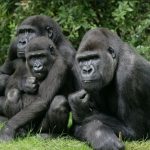
You may see gorillas feeding, resting, grooming or interacting with members of their family.
The experience takes place in their natural forest environment.
UWA identifies Bwindi and Mgahinga as important habitats for Uganda’s mountain gorillas and states that Uganda is home to more than half of the world’s mountain gorilla population.
The trek itself becomes part of the story you take home.
What Should You Pack for Gorilla Trekking in Uganda?
For a comfortable trek, consider packing:
- Comfortable hiking boots with good grip
- Long hiking trousers
- Long-sleeved shirt
- Waterproof jacket or poncho
- Lightweight backpack
- Drinking water
- Snacks
- Insect repellent
- Sunscreen
- Gardening or trekking gloves
- Walking poles
- Camera
- Extra batteries or power bank
- Waterproof protection for electronics
- Personal medication
- Hat
Your exact packing list can depend on the season and itinerary.
When Is the Best Time for Gorilla Trekking in Uganda?
Gorilla trekking is possible throughout the year.
However, weather conditions can influence trail conditions.
During wetter periods, trails may become muddier and more slippery.
During drier periods, walking conditions may sometimes be easier, although rain remains possible in a tropical mountain forest.
Instead of choosing your dates based only on weather, consider your overall safari plans, budget, accommodation availability and permit availability.
World Blossom Safaris can help you plan your dates around your preferred Uganda safari experience.
How Much Does Gorilla Trekking in Uganda Cost?
The total cost depends on several factors.
These can include:
- Gorilla permit
- Number of travelers
- Accommodation level
- Number of safari days
- Transportation
- Driver-guide
- Meals
- Park fees
- Domestic flights, if required
- Additional activities
- Travel season
Because prices and permit arrangements can change, travelers should confirm current rates before making a booking.
UWA publishes official tourism information and permit guidance, while licensed tour operators can assist travelers with arranging their gorilla experience.
Why Book Gorilla Trekking in Uganda With World Blossom Safaris?
Planning a gorilla trek involves more than simply buying a permit.
You need to choose the right trekking sector, accommodation, transport and safari route.
World Blossom Safaris is a Uganda-based tour and travel company serving travelers visiting Uganda and East Africa.
We organize private Uganda gorilla safaris and can combine gorilla trekking with experiences such as:
- Chimpanzee tracking in Kibale
- Wildlife safaris
- Big Five experiences
- Queen Elizabeth National Park
- Murchison Falls National Park
- Lake Mburo National Park
- Golden monkey tracking
- Cultural experiences
- Rwanda gorilla trekking
- Kenya and Tanzania safari extensions
Our team can help you build a safari around your travel dates, budget, preferred accommodation and fitness level.
Book Your Uganda Gorilla Trekking Adventure
Wondering how difficult is gorilla trekking in Uganda?
The trek can be challenging, but you do not need to be an expert mountaineer.
With reasonable preparation, proper footwear, suitable clothing and the support of experienced guides, many travelers can enjoy the experience.
The most important thing is to prepare for real forest conditions.
Expect hills.
Expect uneven ground.
Expect mud.
Expect changing weather.
And expect an unforgettable encounter when you finally meet the gorillas.
If you are ready to plan gorilla trekking in Uganda, World Blossom Safaris can help you arrange your gorilla permit, accommodation, transport, professional driver-guide and complete safari itinerary.
Frequently Asked Questions About Gorilla Trekking in Uganda
How difficult is gorilla trekking in Uganda?
Gorilla trekking in Uganda requires moderate fitness. UWA states that tracking can last approximately 2 to 7 hours, depending on the location and movement of the gorilla family.
How many hours do you walk during gorilla trekking?
A trek can take approximately 2 to 7 hours, although the exact duration varies. Some treks are shorter, while others require several hours of walking through the forest.
Do I need to be physically fit for gorilla trekking?
You should have reasonable walking fitness. You do not need to be an athlete, but you should be prepared for uneven, steep and sometimes muddy forest terrain.
Can beginners do gorilla trekking in Uganda?
Yes. You do not need previous mountain trekking experience. However, preparing with regular walking and hill training can make the experience more comfortable.
What happens if I cannot walk very far?
Tell your safari operator about your fitness and mobility before the trek. Your operator can help you plan an appropriate itinerary and discuss available assistance and trekking arrangements.
Is Bwindi gorilla trekking difficult?
Bwindi can be physically demanding because the park contains steep ridges, deep valleys and dense rainforest.
Is gorilla trekking in Uganda suitable for older travelers?
It can be suitable for some older travelers, depending on individual fitness and mobility. Discuss your walking ability with your safari operator before booking.
What shoes should I wear for gorilla trekking?
Wear comfortable, well-fitting hiking boots or shoes with good grip. Waterproof or water-resistant footwear is useful because forest trails can become wet and muddy.
Can I trek gorillas if it rains?
Gorilla trekking can take place in changing weather conditions. Rain can make trails wetter and more slippery, so waterproof clothing and shoes with good grip are recommended.
How far are the gorillas from the starting point?
There is no fixed distance. The gorilla family moves naturally through the forest, so the walking distance and duration can change from one day to another.
Start Planning Your Gorilla Trekking in Uganda Today
Your gorilla adventure begins long before you enter the forest.
Choosing the right trekking sector, accommodation and safari route can make your trip smoother and more enjoyable.
If gorilla trekking in Uganda is on your bucket list, let World Blossom Safaris help you plan it from Kampala to the forest and back.
Let’s blossom together to the Pearl of Africa.
Ready to plan your trip? Talk to our experts.
Book This Safari