Primate and Wildlife Haven: Discover Uganda’s Incredible Wildlife and Primates
Primate and Wildlife Haven: Discover Uganda’s Incredible Wildlife, Uganda is one of Africa’s most rewarding destinations for travelers who want to experience primates, wildlife, forests, mountains and authentic African culture in one journey. Often called the Pearl of Africa, Uganda offers an extraordinary combination of mountain gorillas, chimpanzees, golden monkeys, lions, elephants, leopards, buffalo, rhinos and hundreds of bird species.
For travelers searching for a primate and wildlife haven, Uganda deserves a place at the top of the list.
From the misty forests of Bwindi Impenetrable National Park to the chimpanzee-rich forests of Kibale National Park and the open savannahs of Queen Elizabeth and Murchison Falls National Parks, Uganda offers remarkably diverse wildlife experiences.
Whether you are planning a gorilla trekking adventure, chimpanzee tracking safari, Big Five wildlife safari or a longer East African journey, Uganda allows you to combine several unforgettable experiences in one destination.
Why Uganda Is a Primate and Wildlife Haven
Uganda stands out because of the incredible variety of wildlife experiences available within a relatively compact country.
The country’s protected areas include forests, savannahs, wetlands, mountains and lakes. Uganda Wildlife Authority manages national parks and wildlife reserves across the country, including Bwindi, Kibale, Mgahinga, Queen Elizabeth, Murchison Falls, Kidepo Valley, Lake Mburo, Semuliki, Rwenzori and Mount Elgon.
This diversity makes Uganda an outstanding primate and wildlife haven for travelers interested in both great apes and traditional African safari animals.
A Uganda safari can allow you to:
- Trek mountain gorillas in Bwindi.
- Track chimpanzees in Kibale Forest.
- Search for golden monkeys in Mgahinga.
- See lions and elephants on game drives.
- Search for leopards and buffalo.
- Visit the Ziwa Rhino Sanctuary.
- Take a boat safari on the Nile or Kazinga Channel.
- Explore tropical forests and savannah landscapes.
- Enjoy birdwatching and nature walks.
- Meet local communities and experience Ugandan culture.
The result is a destination where primate encounters and classic African wildlife can be combined into one memorable adventure.
Uganda’s Mountain Gorillas
One of the biggest reasons Uganda is regarded as a primate and wildlife haven is its mountain gorilla population.
Bwindi Impenetrable National Park is internationally recognized for mountain gorilla conservation and trekking. Uganda Tourism Board highlights gorilla trekking in Bwindi as one of the country’s major tourism experiences.
Gorilla trekking is much more than simply seeing wildlife. It is an immersive forest experience involving hiking through beautiful mountain terrain while searching for a habituated gorilla family.
When you finally encounter the gorillas, you may see them feeding, resting, playing or interacting with one another.
The experience is highly regulated to help protect the gorillas and their habitat. Uganda Wildlife Authority provides guidelines covering gorilla and chimpanzee tracking, including tourism management, permits, payments and visitor procedures.
For travelers searching for a primate and wildlife haven, few experiences compare with standing quietly in the forest and observing mountain gorillas in their natural environment.
Kibale Forest: A Primate Capital
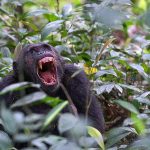
If gorillas are the stars of Bwindi, chimpanzees are among the major attractions of Kibale National Park.
Kibale is widely recognized as one of Africa’s leading destinations for primate experiences. Uganda Wildlife Authority describes the park as having exceptional primate diversity and offers both chimpanzee tracking and chimpanzee habituation experiences.
Chimpanzee tracking normally involves walking through the forest with trained guides and trackers while searching for a habituated chimpanzee community.
The forest environment itself is part of the adventure.
You may hear birds calling above the canopy, monkeys moving through the trees and chimpanzees communicating somewhere deeper in the forest.
For visitors who want an authentic forest experience, Kibale is an essential stop on a primate and wildlife haven safari in Uganda.
Chimpanzee Habituation Experience
Travelers who want more time with chimpanzees can consider the Chimpanzee Habituation Experience.
Unlike a standard chimpanzee tracking experience, habituation allows visitors to spend an extended period observing chimpanzees as they go about their daily activities.
Uganda Wildlife Authority states that chimpanzee habituation and tracking take place in Kibale throughout the year.
This makes Kibale particularly attractive to wildlife photographers, primate enthusiasts, researchers and travelers who want a deeper connection with Uganda’s forests.
Golden Monkeys in Mgahinga
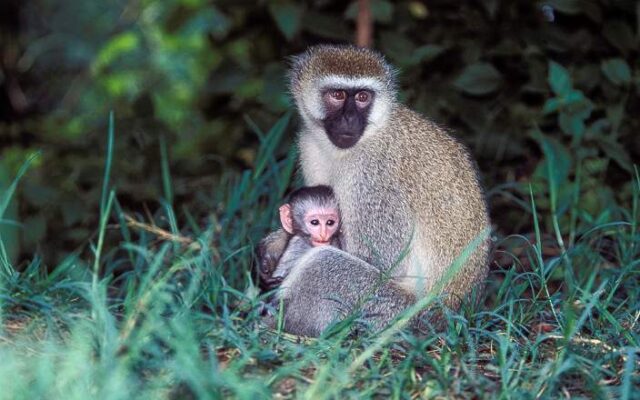
Uganda’s primate diversity does not end with gorillas and chimpanzees.
Mgahinga Gorilla National Park is another important destination for travelers interested in primates. The park is part of Uganda’s southwestern highland ecosystem and offers opportunities to experience golden monkeys as well as mountain gorillas.
Golden monkeys are particularly attractive because of their distinctive appearance and energetic behavior.
A safari combining gorilla trekking and golden monkey tracking can therefore provide two very different primate experiences within the same mountain region.
Uganda’s Big Five Wildlife
A true primate and wildlife haven should offer more than primates, and Uganda delivers.
Travelers can also enjoy classic African wildlife experiences, including opportunities to see:
- Lions
- Leopards
- Elephants
- African buffalo
- Rhinoceroses
Queen Elizabeth National Park is famous for its wildlife and diverse landscapes, while Murchison Falls National Park provides excellent opportunities for game drives and boat-based wildlife viewing.
Kidepo Valley National Park offers a more remote wilderness experience and is particularly appealing to travelers looking for dramatic landscapes and fewer visitors.
Lake Mburo National Park provides another interesting safari experience, especially for travelers combining wildlife viewing with walking or cycling experiences.
Where to See Wildlife in Uganda
Uganda’s national parks each offer something different.
1. Bwindi Impenetrable National Park
Best known for:
- Mountain gorilla trekking
- Forest landscapes
- Birdwatching
- Nature experiences
- Community and cultural experiences
Bwindi is essential for travelers whose priority is gorilla trekking.
2. Kibale National Park
Best known for:
- Chimpanzee tracking
- Chimpanzee habituation
- Primate diversity
- Forest walks
- Birdwatching
Kibale is one of the most important destinations for anyone planning a primate and wildlife haven adventure.
3. Queen Elizabeth National Park
Best known for:
- Lions
- Elephants
- Buffalo
- Leopards
- Hippos
- Kazinga Channel boat cruises
- Birdwatching
It is an excellent destination for combining primates with traditional savannah wildlife.
4. Murchison Falls National Park
Best known for:
- Elephants
- Lions
- Buffalo
- Giraffes
- Antelopes
- Nile boat cruises
- Murchison Falls
The combination of game drives and a Nile boat safari makes Murchison Falls one of Uganda’s most rewarding wildlife destinations.
5. Kidepo Valley National Park
Kidepo is ideal for travelers looking for a remote wilderness experience.
Its spectacular landscapes, wide-open valleys and diverse wildlife make it one of the country’s most distinctive safari destinations.
6. Mgahinga Gorilla National Park
Mgahinga is especially attractive for:
- Mountain gorillas
- Golden monkeys
- Volcano landscapes
- Forest hiking
It is another excellent destination for travelers interested in Uganda’s primates.
A Primate and Wildlife Haven for Photographers
Uganda is also an exciting destination for wildlife photography.
The country’s forests provide opportunities to photograph gorillas, chimpanzees, monkeys and birds, while the savannah parks offer opportunities to photograph elephants, lions, buffalo, giraffes and other wildlife.
Early morning game drives can provide beautiful light and active wildlife.
Forest photography presents a completely different challenge because of dense vegetation, changing light and moving animals.
A knowledgeable safari guide can make a major difference by helping visitors understand animal behavior and position themselves appropriately while following park regulations.
Uganda’s Wildlife Conservation Story
Tourism and conservation are closely connected in Uganda.
Uganda Wildlife Authority states that its mandate includes conserving and sustainably managing wildlife and protected areas while working with communities and other stakeholders.
Recent conservation work also continues to improve scientific understanding of Uganda’s great apes.
For example, a 2025 chimpanzee census in Bwindi confirmed an estimated 426 chimpanzees distributed across the park. The research was conducted with Uganda Wildlife Authority, the Jane Goodall Institute Uganda and the Greater Virunga Transboundary Collaboration.
These conservation efforts demonstrate why responsible tourism matters.
When travelers visit protected areas responsibly, they contribute to an economic system that helps support conservation, local employment and surrounding communities.
Best Time to Visit Uganda’s Primate and Wildlife Haven
Uganda can be visited throughout the year, but different seasons may suit different travelers.
The drier periods are often popular for traditional wildlife safaris because roads and trails can be easier to navigate.
The wetter months can also provide rewarding experiences, particularly for photographers and travelers interested in lush landscapes and forest environments.
Chimpanzee tracking and habituation are available year-round in Kibale.
Because weather patterns can vary, it is important to consider your specific activities when choosing travel dates.
If gorilla trekking is your priority, we recommend planning around permit availability first and then building your safari itinerary around it.
How to Combine Gorillas, Chimpanzees and Big Five Wildlife
One of the biggest advantages of Uganda is that you do not have to choose between primates and traditional wildlife.
A well-designed itinerary can combine:
Kibale → Queen Elizabeth → Bwindi
This route can provide:
Chimpanzee tracking → Big Five-style wildlife viewing → Gorilla trekking
For a longer trip, you can add Murchison Falls National Park or Kidepo Valley National Park.
A 7- to 10-day Uganda safari can provide an excellent introduction to the country’s forests and savannahs, while travelers with more time can create a 14-day or longer itinerary covering several regions.
Sample Uganda Primate and Wildlife Safari
7-Day Primate and Wildlife Adventure
Day 1: Kampala or Entebbe to Kibale
Day 2: Chimpanzee tracking in Kibale
Day 3: Kibale to Queen Elizabeth National Park
Day 4: Game drive and Kazinga Channel boat cruise
Day 5: Queen Elizabeth to Bwindi
Day 6: Gorilla trekking in Bwindi
Day 7: Bwindi to Entebbe or Kampala
This itinerary can be customized depending on your flight schedule, budget, accommodation preference and available gorilla permits.
Why Choose a Local Uganda Safari Company?
Planning a safari directly with a local operator can make the experience easier to customize.
A local safari company understands the roads, park logistics, accommodation options, permit procedures and practical realities of traveling between destinations.
At World Blossom Safaris Uganda, we help travelers organize private Uganda safaris focused on gorilla trekking, chimpanzee tracking, wildlife viewing, birdwatching and cultural experiences.
Our team can help you create a safari based on your travel dates, interests and budget.
Whether you are a solo traveler, couple, family, group or photographer, we can design a private itinerary around your priorities.
Responsible Travel in Uganda
Being a responsible traveler helps protect Uganda’s wildlife for future generations.
When visiting a national park:
- Follow your guide’s instructions.
- Maintain an appropriate distance from wildlife.
- Never feed wild animals.
- Avoid littering.
- Respect local communities.
- Follow gorilla and chimpanzee tracking regulations.
- Support responsible local businesses.
- Avoid purchasing illegal wildlife products.
- Respect photography restrictions.
The goal is simple: enjoy Uganda’s wildlife without negatively affecting the animals, forests or communities that make the destination special.
Why Visit Uganda?
Uganda offers something that few African destinations can match in a single journey.
You can wake up near a tropical forest, spend the morning tracking chimpanzees, drive through savannah landscapes in search of elephants and lions, cruise along a wildlife-filled channel and eventually trek through a misty mountain forest to meet gorillas.
That combination makes Uganda a genuine primate and wildlife haven.
The country’s protected areas include ten national parks managed under Uganda Wildlife Authority, ranging from Kibale and Bwindi to Murchison Falls, Queen Elizabeth, Kidepo Valley, Mgahinga, Semuliki, Lake Mburo, Rwenzori and Mount Elgon.
For travelers looking beyond the traditional safari destinations, Uganda offers an exceptional balance of primates, wildlife, scenery and culture.
Frequently Asked Questions About Uganda’s Primate and Wildlife Haven
Is Uganda good for primate safaris?
Yes. Uganda is particularly strong for travelers interested in gorillas, chimpanzees and other forest primates. Kibale is a major chimpanzee destination, while Bwindi and Mgahinga offer mountain gorilla experiences.
Where can I see chimpanzees in Uganda?
Kibale National Park is one of Uganda’s premier chimpanzee destinations and offers both chimpanzee tracking and habituation experiences.
Where can I see gorillas in Uganda?
Mountain gorilla trekking is available in Bwindi Impenetrable National Park and Mgahinga Gorilla National Park.
Can I combine gorilla trekking with a wildlife safari?
Yes. Popular combinations include gorilla trekking in Bwindi with wildlife viewing in Queen Elizabeth National Park, Murchison Falls National Park or other safari destinations.
Is Uganda good for first-time safari travelers?
Yes. Uganda is suitable for first-time safari travelers, especially those who want to combine primates, wildlife, nature and cultural experiences.
How many days do I need for a Uganda primate and wildlife safari?
A 7-day trip can provide a good introduction, while 10 to 14 days allows travelers to explore more destinations and combine gorillas, chimpanzees and traditional wildlife experiences.
Book Your Uganda Primate and Wildlife Adventure
If you are searching for a primate and wildlife haven where you can experience mountain gorillas, chimpanzees, golden monkeys, elephants, lions, leopards, buffalo and breathtaking landscapes, Uganda should be on your travel list.
Don’t simply dream about seeing Africa’s great apes and wildlife. Start planning your journey.
Contact World Blossom Safaris Uganda today for a personalized Uganda safari itinerary.
We can arrange:
- Gorilla trekking safaris
- Chimpanzee tracking tours
- Chimpanzee habituation experiences
- Big Five wildlife safaris
- Uganda national park tours
- Gorilla and chimpanzee combinations
- Family safaris
- Couple safaris
- Solo traveler safaris
- Budget, mid-range and luxury safaris
- Private 4×4 safari trips
- Airport transfers and other travel arrangements
Let’s blossom together to the Pearl of Africa.
Start Planning Your Uganda Safari Today
Tell us your travel dates, number of travelers, preferred accommodation level and safari interests, and our team will create a personalized itinerary for you.
Your Uganda adventure starts here.
Ready to plan your trip? Talk to our experts.
Book This Safari