
7-Day Tanzania Great Migration Safari- Witness the Wildebeest
7-Day Tanzania Great Migration Safari – Witness the Wildebeest Migration
Experience one of Africa’s most extraordinary wildlife adventures on a 7-Day Tanzania Great Migration Safari, designed for travelers who want to witness thousands of wildebeest and zebras moving across the legendary Serengeti plains in search of fresh grazing. With World Blossom Safaris, explore Tanzania’s iconic national parks, enjoy exciting game drives, discover breathtaking landscapes, and search for Africa’s famous Big Five.
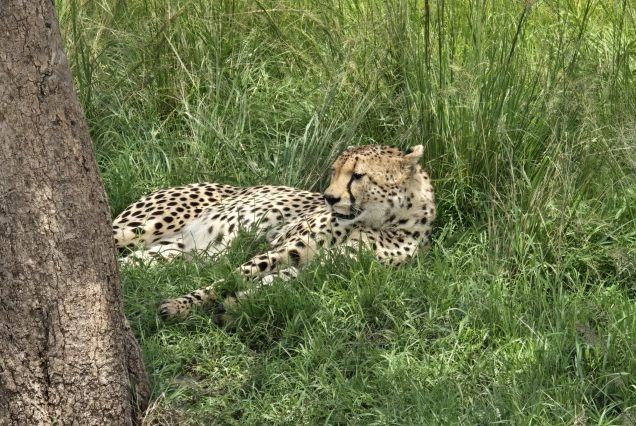
The 7-Day Tanzania Great Migration Safari combines the wildlife-rich Ngorongoro Conservation Area with the world-famous Serengeti National Park, offering opportunities to see lions, elephants, leopards, buffaloes, giraffes, cheetahs, hyenas, and countless other animals. Depending on your travel dates, you may also witness dramatic river crossings, large herds of wildebeest, and predators following the migration.
World Blossom Safaris will help you plan your journey around the seasonal movement of the Great Migration, your preferred accommodation level, and your travel budget. Although wildlife sightings cannot be guaranteed, choosing the right region and travel dates can improve your chances of experiencing this remarkable natural event.
Book your 7-Day Tanzania Great Migration Safari with World Blossom Safaris and discover the magic of Tanzania’s wilderness.
Safari Highlights
- Witness the spectacular wildebeest migration in Tanzania.
- Enjoy multiple game drives in Serengeti National Park.
- Explore the wildlife-rich Ngorongoro Conservation Area.
- Search for lions, leopards, elephants, buffaloes, and rhinos.
- Photograph wildebeest, zebras, giraffes, gazelles, and other wildlife.
- Experience the vast savannah landscapes of the Serengeti.
- Explore the Ngorongoro Crater, one of Africa’s remarkable wildlife destinations.
- Travel with a professional safari driver-guide.
- Choose budget camping, comfortable midrange lodges, or luxury tented camps.
- Enjoy a private safari experience tailored to your interests and budget.
Detailed 7-Day Tanzania Great Migration Safari Itinerary
Day 1: Arrival in Arusha – Welcome to Tanzania
Arrive at Kilimanjaro International Airport or Arusha Airport, where your World Blossom Safaris representative will welcome you and transfer you to your hotel in Arusha.
Depending on your arrival time, relax at your accommodation or enjoy an optional town visit. Your safari representative will brief you on the upcoming adventure, explain the itinerary, and discuss wildlife viewing expectations.
Prepare for an exciting 7-Day Tanzania Great Migration Safari through Tanzania’s renowned wildlife destinations.
Accommodation: Hotel in Arusha, selected according to your budget.
Meals: Dinner, depending on your arrival time and package.
Day 2: Arusha to Tarangire National Park – Elephants and Baobab Landscapes
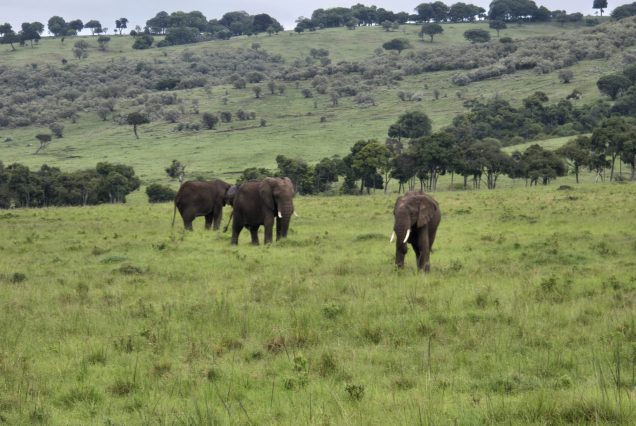
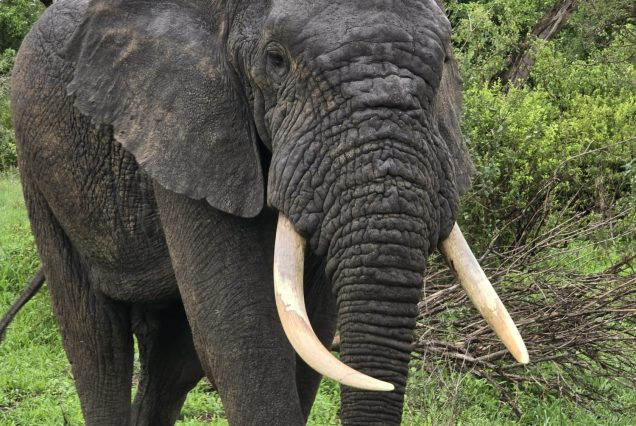
After breakfast, depart for Tarangire National Park, famous for its large elephant populations, ancient baobab trees, and wildlife-rich savannah.
Enjoy a game drive through the park, searching for elephants, giraffes, zebras, wildebeest, impalas, buffaloes, and predators. The Tarangire River attracts wildlife, particularly during the dry season, making it an excellent location for observing animals.
Your guide will help you discover the park’s wildlife, birdlife, and unique ecosystems while enjoying Tanzania’s beautiful scenery.
In the afternoon, continue to your lodge or tented camp for dinner and relaxation.
This first wildlife experience introduces you to the landscapes and animals that make a 7-Day Tanzania Great Migration Safari so rewarding.
Accommodation: Lodge or tented camp in the Tarangire or Karatu area.
Meals: Breakfast, lunch, and dinner.
Day 3: Tarangire or Karatu to Serengeti National Park – Enter the Migration Wilderness
After breakfast, travel toward Serengeti National Park, passing through scenic highlands and the Ngorongoro Conservation Area. Enjoy spectacular views along the way, with opportunities to observe local communities and the changing landscapes of northern Tanzania.
Enter the Serengeti and begin your game drive across its expansive plains.
The Serengeti is famous for its abundant wildlife and its role in the annual Great Migration, during which wildebeest and zebras move in response to rainfall and fresh grazing.
Depending on the season and the herds’ location, your guide will focus on the most promising wildlife-viewing areas. Search for lions resting in the grass, cheetahs scanning the plains, elephants moving through the landscape, and large herds of grazing animals.
Continue to your lodge or tented camp for dinner and an overnight stay.
Your 7-Day Tanzania Great Migration Safari now enters one of Africa’s most celebrated wildlife destinations.
Accommodation: Serengeti lodge or tented camp.
Meals: Breakfast, lunch, and dinner.
Day 4: Full-Day Serengeti Game Drive – Follow the Wildebeest Migration
Spend a full day exploring Serengeti National Park in search of the Great Migration.
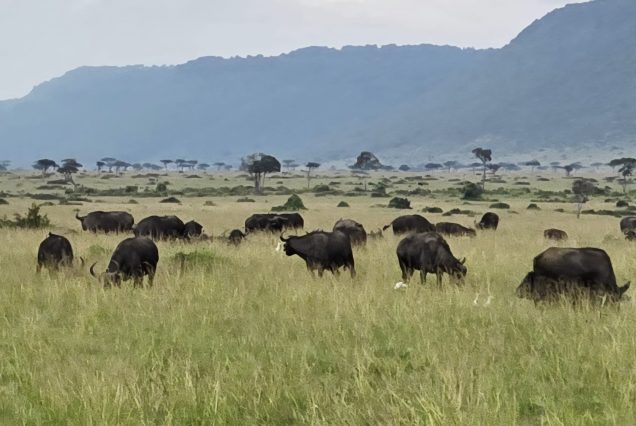
After an early breakfast, set out with your experienced safari guide to explore the plains and follow recent wildlife reports where possible. Depending on the season, you may encounter enormous herds of wildebeest and zebras moving together across the grasslands.
During the migration, predators such as lions, cheetahs, leopards, and hyenas may be seen hunting or following the herds. Birdwatchers can also enjoy the Serengeti’s diverse birdlife.
Your guide will select game-drive routes according to the herds’ movements, road conditions, and the best available wildlife-viewing opportunities. If the migration is in another part of the ecosystem, the day will focus on the wildlife and scenery available in your assigned region.
The 7-Day Tanzania Great Migration Safari offers an unforgettable opportunity to observe the natural rhythms of the African wilderness, photograph wildlife, and appreciate the scale of this extraordinary ecological event.
Return to your accommodation in the evening for dinner and relaxation.
Accommodation: Serengeti lodge or tented camp.
Meals: Breakfast, lunch, and dinner.
Day 5: Serengeti National Park – Another Day of Wildlife Exploration
Wake up early for another exciting game drive in Serengeti National Park. The early morning hours often provide excellent opportunities to observe active wildlife and photograph the plains in beautiful natural light.
Depending on your location and the migration season, explore the central Serengeti, northern Serengeti, western corridor, or southern plains. The specific area will be selected according to your travel dates and the expected location of the herds.
The northern Serengeti may offer opportunities to look for wildebeest near the Mara River during the appropriate season. River crossings are unpredictable, however, and cannot be promised. In other months, different regions may provide better opportunities to see large concentrations of migrating animals.
Enjoy a picnic lunch in the designated area or return to camp, depending on your arrangements. Continue exploring the park before returning to your accommodation.
With flexible planning and several days in the Serengeti, your 7-Day Tanzania Great Migration Safari gives you more time to search for wildlife and experience the incredible scenery of Tanzania.
Accommodation: Serengeti lodge or tented camp.
Meals: Breakfast, lunch, and dinner.
Day 6: Serengeti to Ngorongoro Conservation Area – Wildlife and Crater Views
After breakfast, enjoy a final morning game drive in the Serengeti before travelling toward the Ngorongoro Conservation Area.
On arrival, take in the dramatic highland scenery and views of the Ngorongoro Crater, a remarkable volcanic caldera known for its diverse wildlife and scenic beauty.
Depending on your accommodation location and itinerary, enjoy time to relax or visit an approved viewpoint. Your guide will explain the ecological importance of the conservation area and its wildlife.
The Ngorongoro region offers opportunities to encounter zebras, wildebeest, buffaloes, elephants, and other animals. It is also one of the best places in Tanzania to look for black rhinos, although sightings are not guaranteed.
Enjoy dinner and an overnight stay in the Karatu area or at an agreed lodge near the conservation area.
This stage adds another remarkable wildlife destination to your 7-Day Tanzania Great Migration Safari.
Accommodation: Lodge in Karatu or the Ngorongoro area.
Meals: Breakfast, lunch, and dinner.
Day 7: Ngorongoro Crater Game Drive and Departure
After an early breakfast, descend into the Ngorongoro Crater for a memorable game drive, subject to the confirmed itinerary, park regulations, and departure arrangements.
Explore the crater floor, where open grasslands, wetlands, and woodland habitats support a variety of wildlife. Look for lions, buffaloes, zebras, wildebeest, hippos, and other species. With luck, you may also see the endangered black rhinoceros.
Enjoy a picnic lunch at a designated site before leaving the crater and beginning your transfer toward Arusha or Kilimanjaro International Airport.
Your departure time and flight schedule will determine whether a full crater game drive is practical. If you have an early flight, the itinerary may need to be adjusted or an additional night arranged.
Your 7-Day Tanzania Great Migration Safari concludes with unforgettable memories of Tanzania’s wildlife, the Serengeti plains, and the magnificent Ngorongoro landscape.
Meals: Breakfast and lunch, according to your departure arrangements.
Departure: Transfer to Arusha or Kilimanjaro International Airport.
Best Time to Book a Tanzania Great Migration Safari
The Great Migration takes place throughout the year, but the best area to visit depends on the season, rainfall, and movement of the herds.
- January to March: The southern Serengeti and Ndutu area often host large concentrations of wildebeest during the calving season.
- April to May: Herds generally begin moving north and west, although rainfall can affect movement and road conditions.
- June to July: The western corridor and Grumeti region may offer migration viewing opportu